From architectural marvels to precision automotive components, aluminium extrusion technology has become the silent foundation of strength, sustainability, and creativity.

Have you ever stopped to think about how modern structures, vehicles, and technologies achieve their seamless designs and lightweight durability? Behind many of these innovations lies one material that has transformed how the world builds and engineers: aluminium extrusions. 

In this blog, we will explore how aluminium extrusions have redefined industries, the science that makes them extraordinary, and why aluminium extrusions Australia are setting global benchmarks in design, performance, and environmental responsibility.


aluminium extrusions australia

Understanding the Concept of Aluminium Extrusions

Aluminium extrusion is a process in which a heated aluminium billet is pushed through a steel die to create an elongated shape with a uniform cross-section. The process may sound simple, but it is one of the most sophisticated and precise methods in modern manufacturing. It allows the creation of intricate, complex, and robust profiles that can be used in everything from large construction frameworks to fine electronic components. 

What makes aluminium extrusions truly valuable is their flexibility. They can be shaped into virtually any form, whether hollow, semi-hollow, or solid, offering unmatched design possibilities. The material itself is lightweight, corrosion-resistant, and strong, making it ideal for applications that require durability without unnecessary bulk.

This combination of performance and versatility has made aluminium extrusion a preferred choice across industries such as construction, automotive, aerospace, and renewable energy.

The Science Behind Aluminium Extrusion

The extrusion process enhances aluminium's mechanical properties, giving it superior strength and consistency. During extrusion, the aluminium undergoes a transformation that aligns its grain structure, improving its resistance to stress and strain. This makes extruded aluminium profiles ideal for both structural and aesthetic purposes.

Temperature and pressure play crucial roles in this process. By carefully controlling these factors, manufacturers can achieve precise shapes and tolerances, ensuring that each extrusion meets exact specifications. This precision engineering is what makes aluminium extrusions a cornerstone of modern design and manufacturing.

Additionally, aluminium’s natural properties make it stand out. It conducts heat and electricity efficiently, resists corrosion due to its oxide layer, and can be recycled repeatedly without losing its quality. These advantages make it not just practical but also an environmentally responsible choice.

Aluminium Extrusions in Modern Architecture

In the world of architecture and construction, aluminium extrusions have completely changed how buildings are designed and assembled. Architects value aluminium for its balance of strength, lightness, and visual appeal. It can be easily shaped into window frames, curtain walls, railings, roofing systems, and decorative facades that maintain both beauty and functionality. 

Aluminium extrusions also support sustainability goals in construction. The material’s recyclability, combined with its long lifespan, reduces waste and promotes green building certifications. Its corrosion resistance makes it suitable for coastal and humid environments, ensuring structures remain strong and elegant for decades.

In recent years, the demand for aluminium extrusions in Australia has grown significantly as architects and builders embrace eco-friendly practices. The ability to anodise or powder-coat aluminium also allows for a variety of finishes and colours, helping designers achieve both aesthetic diversity and durability.

Automotive Innovations Through Aluminium Extrusions

The automotive industry has been one of the biggest beneficiaries of aluminium extrusion technology. As global demand for energy-efficient and lightweight vehicles increases, aluminium has become a material of choice for manufacturers. Extruded components help reduce overall vehicle weight, improving fuel efficiency and lowering emissions.

Aluminium extrusions are used in structural parts, crash management systems, roof rails, and battery enclosures in electric vehicles. They offer superior impact resistance and rigidity while allowing for easy customisation and assembly. With innovations driven by aluminium extrusions in Australia, the automotive industry is finding smarter and more sustainable ways to produce vehicles that perform better and last longer.

This shift is not just about efficiency. It also contributes to vehicle safety and performance. Lighter vehicles accelerate faster, handle better, and consume less energy. Aluminium’s recyclability further enhances the industry’s commitment to circular manufacturing and responsible resource use.

Aerospace and Renewable Energy Applications

Few industries test the limits of materials as rigorously as aerospace. Aluminium extrusions are vital in producing aircraft components that must be strong enough to handle extreme forces while remaining light to conserve fuel. Fuselages, seat tracks, landing gear supports, and cabin structures all rely on the strength and precision of extruded aluminium profiles. Beyond the aerospace sector, the renewable energy sector has also embraced aluminium extrusions. 

They are widely used in solar panel frames, wind turbine parts, and battery storage systems. These applications demand materials that can withstand harsh environmental conditions, and aluminium delivers precisely that. Its resistance to corrosion, low maintenance requirements, and ease of fabrication make it ideal for long-term sustainability projects. As renewable energy infrastructure continues to expand, aluminium extrusions are playing a key role in advancing clean energy technologies, supporting both environmental and economic growth.

Everyday Products and Industrial Applications

While aluminium extrusions are known for their use in large-scale industries, they are also found in countless everyday products. From furniture and lighting to sporting goods and home appliances, extruded aluminium offers both practicality and style.

Industrial applications are equally diverse. Aluminium extrusions are used in machinery frames, conveyor systems, heat sinks, and structural supports across multiple sectors. Their ability to maintain strength while being easy to cut, weld, and assemble makes them indispensable to modern manufacturing.

This adaptability allows companies to innovate continuously. Whether for large infrastructure or small electronic components, aluminium extrusions offer the right blend of performance, precision, and design freedom.

The Environmental Advantage

Sustainability has become a defining factor in material selection, and aluminium excels in this area. Nearly 75 percent of all aluminium ever produced is still in use today, thanks to its ability to be recycled without losing its inherent qualities. Recycling aluminium requires only a fraction of the energy needed to produce it from raw materials, which makes it an environmentally responsible choice. 

Many manufacturers of aluminium extrusions in Australia have implemented advanced recycling systems that minimise waste and reduce energy consumption. This not only benefits the environment but also helps companies achieve their sustainability targets more efficiently.

The use of recycled aluminium significantly reduces greenhouse gas emissions, making extrusions an integral part of green design strategies. As industries move toward carbon neutrality, the role of aluminium will only continue to grow.

Limitless Design Freedom

Perhaps the most remarkable aspect of aluminium extrusion is the creative flexibility it provides to engineers and designers. Unlike other manufacturing techniques that limit design possibilities, extrusion allows for highly customised shapes that integrate multiple functions into a single component.

This versatility means fewer assembly steps, reduced material waste, and better performance. Designers can combine strength, functionality, and visual appeal without compromise. Whether it is a sleek smartphone frame, a modern office partition, or a high-speed rail structure, aluminium extrusions provide the framework for innovation. The possibilities are virtually endless, making aluminium one of the most versatile materials in modern engineering.

Why Australia Leads in Aluminium Extrusion Technology

Australia has developed a strong reputation for excellence in aluminium extrusion manufacturing. 

Local companies combine advanced technology with a commitment to quality and sustainability. The availability of high-grade raw materials, combined with modern production facilities, ensures that Australian manufacturers deliver world-class extrusion solutions.

Companies producing aluminium extrusions have adopted cutting-edge processes, including precision die engineering, automated quality control, and energy-efficient production systems. This commitment to innovation has positioned Australia as a global leader in aluminium extrusion technology, supporting industries both locally and internationally.

From construction and transportation to renewable energy and consumer products, Australian manufacturers continue to push boundaries and create solutions that meet the evolving needs of a sustainable future.

The Future of Aluminium Extrusions

As technology advances and industries evolve, the demand for aluminium extrusions will continue to rise. The growing focus on energy efficiency, lightweight construction, and sustainability aligns perfectly with aluminium's properties.

Future developments may include integrating 3D printing with extrusion, developing new alloys with enhanced performance, and adopting even smarter production methods that further reduce waste. 

Aluminium will remain central to innovation in architecture, transportation, and energy systems worldwide.Its adaptability ensures that no matter how industries change, aluminium extrusions will continue to offer solutions that combine function, form, and environmental responsibility.

Conclusion

Aluminium extrusions have become the foundation of modern design and engineering. Their ability to merge strength, flexibility, and sustainability has transformed industries ranging from construction to aerospace. As innovation continues, the scope of what aluminium can achieve will only expand.

With growing advancements in aluminium extrusions in Australia, this remarkable material is shaping a future that values both performance and the planet. Whether used in skyscrapers, electric vehicles, or renewable energy projects, aluminium extrusions represent the perfect balance between technology and sustainability.

Source From : Exploring The Endless Possibilities Of Aluminium Extrusions
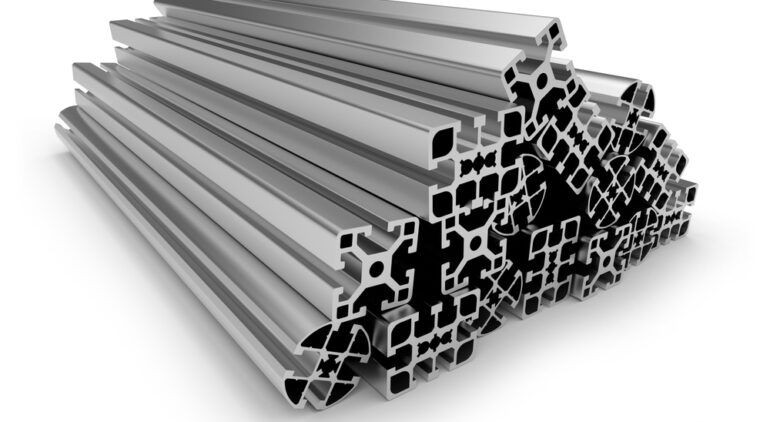
Using aluminium extrusions helps in designing strong yet lightweight structures that enhance energy efficiency and simplify transportation and installation. It is no surprise that aluminium extrusionsare now widely used in machinery, frameworks, and heavy-duty industrial structures.

In today’s fast-evolving industrial landscape, manufacturers are constantly searching for materials that offer strength, durability, and cost-efficiency. While steel and plastics have long been staples in the manufacturing world, aluminium has emerged as a superior alternative. Its strength-to-weight ratio, corrosion resistance, and versatility make it a preferred choice for countless industries. 

Among its many forms, aluminium extrusions stand out as a reliable and innovative solution for modern engineering and manufacturing challenges.If you are exploring why industries across the country are increasingly turning to aluminium extrusions Australia, here are the top benefits that make them the go-to choice.


aluminium extrusions australia


1. Strength That Combines Power and Lightness

One of the biggest advantages of aluminium extrusions is their outstanding strength-to-weight ratio. Aluminium offers similar strength levels to steel while being significantly lighter. This unique property makes it ideal for sectors such as automotive, aerospace, and construction, where reducing weight without compromising durability is crucial.

2. Unmatched Design Flexibility

Aluminium extrusions offer exceptional versatility in design. Through the extrusion process, aluminium can be shaped into an almost limitless range of profiles, from simple rods to complex, custom-designed structures. This flexibility gives engineers and designers the creative freedom to achieve precise configurations tailored to their specific applications.

Whether used in architectural façades, electronic housings, or industrial frameworks, aluminium extrusions allow for innovative, efficient, and visually appealing designs that meet both functional and aesthetic requirements.

3. Corrosion Resistance for Long-Term Performance

Aluminium’s natural oxide layer provides built-in protection against corrosion. This makes it ideal for industries that operate in harsh or outdoor environments, including marine, construction, and transportation sectors. Unlike other metals that may require frequent coatings or maintenance, aluminium maintains its integrity with minimal upkeep.

This property is particularly beneficial in diverse Australian climates, from coastal regions to industrial zones, where aluminium extrusions in Australia offer reliable long-term performance without degradation or rust.

4. Cost-Effective Manufacturing and Maintenance

The extrusion process is efficient and cost-effective, allowing for high-volume production of consistent and precise profiles. Once a die is created, it can produce thousands of identical units, minimising material waste and manufacturing time. Aluminium’s lightweight nature also reduces transportation and assembly costs. 

Combined with its low maintenance requirements and long service life, the total ownership cost of aluminium extrusions is significantly lower than that of many traditional materials. This makes it a smart choice for industries focused on performance, reliability, and return on investment.

5. Superior Thermal and Electrical Conductivity

Aluminium is an excellent conductor of both heat and electricity, making extrusions suitable for applications that require efficient energy transfer. They are widely used in electronics, renewable energy systems, and heat management components such as LED housings and heat sinks.

By effectively dissipating heat, aluminium extrusions help improve the performance and lifespan of equipment. Their superior conductivity also supports sustainable energy solutions, a growing focus for industrial and technological sectors.

6. Environmentally Friendly and 100% Recyclable

Sustainability is a major consideration for modern industries, and aluminium is one of the most environmentally responsible materials available. It is 100% recyclable without losing its original properties, which means it can be reused indefinitely. Recycling aluminium consumes only about 5% of the energy required to produce it from raw materials, significantly reducing carbon emissions.

With industries increasingly adopting eco-conscious manufacturing practices, aluminium extrusions in Australia align perfectly with sustainability goals, contributing to greener production without sacrificing performance.

7. Precision and Consistency in Manufacturing

The aluminium extrusion process ensures excellent dimensional accuracy and repeatability. Manufacturers can produce profiles with tight tolerances and consistent quality, essential for industries such as automotive, aerospace, and engineering.

This level of precision enhances product reliability, reduces assembly issues, and minimises production errors. The consistency of aluminium extrusions guarantees that every component fits perfectly within its intended design.

8. Aesthetic Appeal with Custom Finishing Options

Beyond functionality, aluminium extrusions offer a sleek, professional appearance that enhances the overall aesthetic of a product or structure. They can be anodised, powder-coated, or painted to achieve various finishes and colors, providing both visual appeal and added protection.

Whether used in architectural designs, furniture, or consumer products, aluminium extrusions combine strength with elegance, creating a clean and modern look that adds value to any application.

9. Compatibility with Modern Automation Systems

Aluminium extrusions are widely used in automated and modular assembly systems due to their ease of machining, drilling, and joining. They integrate seamlessly with robotic systems, machine frameworks, and industrial automation setups.

Their modularity allows for quick reconfiguration, expansion, and adaptability, which are vital features in fast-paced industrial environments. This makes aluminium extrusions a practical choice for businesses that prioritise flexibility and innovation in manufacturing.

10. Future-Ready Material for Industrial Growth

Aluminium is not just a present-day solution but a material built for the future. Its combination of versatility, durability, and sustainability makes it an ideal choice for emerging industries such as electric vehicles, renewable energy, and smart infrastructure. 

As technology advances, aluminium extrusions will continue to play a pivotal role in shaping efficient and sustainable industrial development.

Conclusion: The Smarter Material Choice

Choosing aluminium extrusions is more than a material decision; it is a strategic investment in performance, sustainability, and innovation. With their strength, flexibility, corrosion resistance, and recyclability, aluminium extrusions in Australia have established themselves as essential components in modern manufacturing and engineering.

For industries aiming to stay competitive, aluminium extrusions provide a perfect balance of strength, precision, and eco-conscious efficiency. 

They are not only redefining how products are built but also paving the way for a more sustainable industrial future. By embracing aluminium extrusions, businesses can achieve higher efficiency, reduced costs, and long-term reliability; qualities that define true industrial success. Visit our website!


Source From : Top Benefits Of Choosing Aluminium Extrusions In Industry

However, with numerous profiles, alloys, and finishes available, choosing the right aluminium extrusion can be a complex process. This guide will provide clear insights to help you make the best decision for your project.

Selecting the right materials is one of the most critical steps in any construction, manufacturing, or design project. Aluminium extrusions have become a preferred choice for professionals and DIY enthusiasts alike due to their strength, versatility, and aesthetic appeal.

The Advantages of Aluminium Extrusions

Aluminium offers a combination of strength and lightweight properties, making it ideal for structural and decorative applications. Its natural corrosion resistance ensures long-lasting performance, whether used indoors or outdoors. 

The extrusion process allows aluminium to be formed into a wide variety of profiles, offering flexibility in design and functionality.

For high-quality solutions, suppliers specialising in aluminium extrusions Australia provide a range of products that cater to industrial, architectural, and custom applications.

aluminium extrusions australia

Understanding Aluminium Extrusions

Aluminium extrusions are created by forcing aluminium through a shaped die to produce a continuous profile. These profiles can then be cut to specific lengths and used in a variety of applications. The benefits of aluminium extrusions include:

  • Customisable Profiles: Achieve shapes tailored to your project requirements.

  • Excellent Strength-to-Weight Ratio: Strong and durable without adding unnecessary weight.

  • Ease of Assembly: Extrusions can be joined, machined, or modified with relative ease.

Selecting the Right Alloy and Temper

Choosing the appropriate alloy and temper is essential to ensure your extrusion meets performance and durability requirements.

  • Alloy Selection: 6061 aluminium is suitable for structural applications, while 6063 is often used in architectural or decorative projects due to its smooth finish and corrosion resistance.

  • Temper: The temper of an aluminium extrusion indicates the mechanical properties achieved through heat treatment and processing. For instance, T6 temper provides higher strength, whereas T5 temper allows for easier machining.

Consulting with a supplier of aluminium extrusions in Australia will help you select the right alloy and temper for your specific application.

Profile Shapes and Their Applications

The shape of an aluminium extrusion profile is critical for both functionality and design.

  • Standard Profiles: Rectangular, square, and round tubes are commonly used for frames, supports, and general construction.

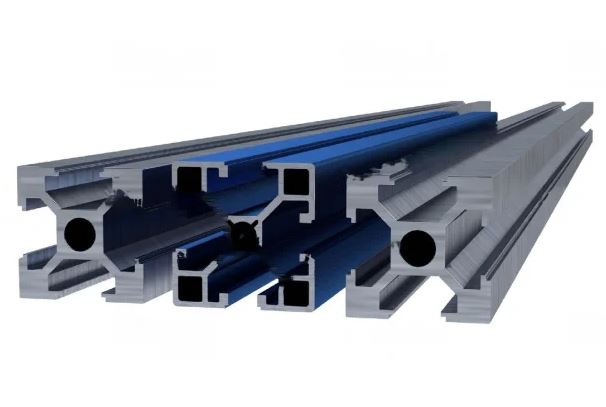
  • Speciality Profiles: T-slot and channel profiles allow for modular assembly and easy customisation.

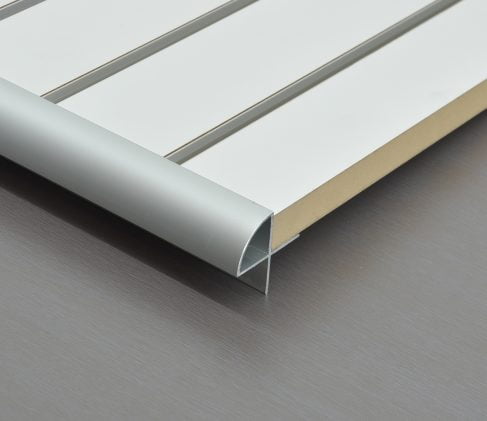
  • Decorative Profiles: Custom curves, intricate edges, and anodised finishes enhance aesthetics for furniture, facades, and interior designs.

Selecting the correct profile ensures structural integrity while achieving the desired design outcome.

Surface Finishes for Longevity and Style

While aluminium is naturally corrosion-resistant, surface finishing enhances both durability and appearance. Common finishes include:

  • Anodising: Provides extra corrosion protection and allows for a variety of colours, making it ideal for outdoor projects.

  • Powder Coating: Offers a durable, smooth finish suitable for high-wear environments.

  • Polishing: Creates a reflective, high-end appearance for interior applications.

A reputable supplier of aluminium extrusions in Australia can provide multiple finishing options to match your project requirements.

Cost and Sustainability Considerations

Aluminium is a fully recyclable and sustainable material without losing its properties. Choosing aluminium extrusions is not only environmentally responsible but also cost-effective in the long term due to low maintenance and longevity. 

While initial investment may be higher than other materials, the durability and performance of aluminium extrusions often lead to lower overall project costs.

Tips for Choosing the Right Extrusion

  1. Define Project Requirements: Assess structural needs, load capacity, and aesthetic goals.

  2. Consult Suppliers: Work with experienced providers of aluminium extrusionsto select appropriate alloys, tempers, and profiles.

  3. Test Samples: Examine physical samples for fit, finish, and functionality.

  4. Consider Fabrication: Some profiles are easier to cut, weld, or assemble than others, so plan accordingly.

  5. Evaluate Environmental Factors: For outdoor applications, prioritise corrosion resistance and durable finishes.

Conclusion

Choosing the right aluminium extrusion is essential for the success of your project. By carefully considering alloy, temper, profile shape, and surface finish, you can ensure that your extrusion meets both functional and aesthetic requirements. 

Partnering with a trusted supplier of aluminium extrusions in Australia provides access to high-quality products and expert guidance, helping you achieve efficient, durable, and visually appealing results.Investing the time to select the right aluminium extrusion ensures your project will stand the test of time while maintaining professional quality and design standards.

Source From : Choosing The Right Aluminium Extrusions For Your Project?

Their benefits extend beyond aesthetics and functionality, offering long-term advantages for businesses and consumers alike.

Aluminium extrusions have revolutionised modern manufacturing and construction, offering a unique combination of strength, durability, and adaptability. From towering skyscrapers to lightweight vehicles and intricate electronic devices, these components play an essential role in various industries. Their ability to be customised into complex shapes while maintaining structural integrity makes them indispensable in today's engineering and design landscape.

With their growing prominence, aluminium extrusions in Australia are increasingly being utilised in sectors that demand high performance, sustainability, and cost-efficiency. Their benefits extend beyond aesthetics and functionality, offering long-term advantages for businesses and consumers alike.


aluminium extrusions Australia

The Strength and Durability of Aluminium Extrusions

One of the key reasons for the widespread use of aluminium extrusions is their exceptional strength-to-weight ratio. 

Aluminium is significantly lighter than steel, yet it provides remarkable durability, making it an ideal choice for applications where weight reduction is crucial. This balance of strength and lightness enhances efficiency in various sectors, including construction, transportation, and aerospace. Additionally, aluminium is naturally corrosion-resistant, thanks to the thin oxide layer that forms on its surface. 

This property eliminates the need for frequent maintenance, making aluminium extrusions a cost-effective and long-lasting solution, particularly for outdoor and marine environments.

Another notable advantage is their excellent thermal and electrical conductivity, making them an optimal choice for heat exchangers, electronic enclosures, and energy-efficient building solutions. This versatility further cements aluminium extrusions as a preferred material across industries.

Key Industries Utilising Aluminium Extrusions

Architecture and Construction

Aluminium extrusions have become a staple in modern construction due to their adaptability and resilience. They are widely used in curtain walls, window frames, doors, railings, and structural components, providing both functional and aesthetic benefits. Their lightweight nature simplifies transportation and installation, reducing overall construction costs. 

Furthermore, their resistance to environmental factors ensures longevity, making them a valuable investment for developers and architects.

Automotive and Transportation

The transportation sector is continually seeking ways to improve fuel efficiency and vehicle performance. 

Aluminium extrusions contribute significantly to this effort by reducing the weight of cars, buses, and trains without compromising safety or durability. Electric vehicles (EVs), in particular, benefit from aluminium's lightweight nature, as it enhances battery efficiency and extends driving range. 

As the demand for sustainable transportation solutions grows, aluminium extrusions Australia are expected to play an even more significant role in vehicle manufacturing.

Aerospace and Marine

In aerospace and marine applications, weight reduction is paramount. Aluminium extrusions provide an ideal solution by offering high structural integrity with minimal weight. 

Aircraft frames, ship components, and satellite structures frequently incorporate aluminium extrusions to enhance performance and efficiency. Their corrosion resistance also ensures durability in extreme conditions, making them a preferred choice for these highly specialised industries.

Renewable Energy

The renewable energy sector relies on aluminium extrusions for various applications, including solar panel frames, wind turbine components, and energy-efficient building systems. The material's ability to withstand harsh environmental conditions while remaining lightweight makes it an optimal choice for sustainable energy solutions. As the shift towards green energy accelerates, the demand for aluminium extrusions services in Australia in this sector is set to rise.

Consumer Electronics and Manufacturing

Aluminium's ability to be extruded into intricate shapes makes it a popular material in consumer electronics and industrial manufacturing. From smartphones and laptops to furniture and appliances, aluminium extrusions provide both structural support and aesthetic appeal. Their thermal conductivity further enhances product performance, ensuring efficiency and longevity.

Sustainability and Environmental Benefits

Sustainability is a growing priority across industries, and aluminium extrusions stand out as an environmentally friendly material. 

Aluminium is 100% recyclable and retains its properties indefinitely, reducing waste and energy consumption. The recycling process requires only 5% of the energy needed to produce new aluminium, significantly lowering carbon emissions.As industries strive for eco-friendly solutions, the role of aluminium extrusions in sustainable manufacturing continues to expand. By integrating recycled aluminium into production, businesses can contribute to environmental conservation while maintaining high-quality standards.

The Future of Aluminium Extrusions

The future of aluminium extrusions is poised for significant advancements, with innovations in alloy development, 3D printing, and smart coatings enhancing their performance and applications. As industries continue to evolve, aluminium extrusions will remain a key component in achieving lightweight, durable, and sustainable solutions.

With increasing demand across construction, transportation, renewable energy, and consumer goods, aluminium extrusions will play an essential role in shaping the future of modern manufacturing and infrastructure.

Conclusion

Aluminium extrusions have proven to be an invaluable asset across numerous industries, offering a perfect blend of strength, flexibility, and sustainability. Their ability to enhance structural integrity while reducing weight makes them indispensable in construction, transportation, aerospace, and renewable energy sectors.

As global industries continue to prioritise efficiency and sustainability, aluminium extrusions will remain a cornerstone of modern innovation. With their durability, recyclability, and cost-effectiveness, they are set to drive future advancements, making them a smart investment for businesses and manufacturers worldwide.

Source From : Exploring The Strength And Versatility Of Aluminium Extrusions

This blog provides a professional, detailed look at how aluminium extrusions are created and why aluminium extrusions in Australia are highly regarded globally.

Aluminium is one of the most versatile and widely used materials in modern manufacturing, known for its lightweight nature, durability, and sustainability. At the heart of many of its applications lies the aluminium extrusion process. This sophisticated technique transforms raw aluminium into various functional shapes and profiles. 

This blog provides a professional, detailed look at how aluminium extrusions are created and why aluminium extrusions in Australia are highly regarded globally.


aluminium extrusions australia

What Is Aluminium Extrusion?

Aluminium extrusion is a process where a heated aluminium billet is forced through a die to produce a continuous cross-sectional profile. This process allows for precise, consistent production of complex shapes used in the construction, transportation, and electronics industries. It combines engineering precision with material efficiency, making it a preferred choice for diverse applications.

Why Choose Aluminium for Extrusion?

Aluminium is a superior material for extrusion due to its unique properties:

  • Lightweight and Strong: Aluminium offers an excellent strength-to-weight ratio.
  • Corrosion-Resistant: It performs well in demanding environments.
  • Sustainable: Aluminium is 100% recyclable, reducing environmental impact.
  • Versatile: It accommodates a broad range of designs and applications.

Manufacturers of aluminium extrusions Australia leverage these attributes to deliver high-quality, eco-friendly solutions tailored to various industries.

Step 1: Preparing the Aluminium Billet

The process begins with an aluminium billet, a cylindrical aluminium alloy block. The billet is preheated to approximately 400-500°C, ensuring it becomes malleable without melting. This controlled heating is critical for maintaining the material’s structural integrity.

Step 2: Extrusion Through the Die

The heated billet is transferred to the extrusion press, where immense pressure forces it through a specially designed die. The die determines the cross-sectional shape of the extruded aluminium. The extrusion process achieves remarkable precision, whether it’s a simple rectangular profile or a highly intricate custom design.

Step 3: Cooling the Extruded Profile

Once the aluminium exits the die, it is still extremely hot and requires immediate cooling. The profiles are air-cooled or water-quenched to solidify the material and retain its shape. This step ensures dimensional accuracy and prepares the aluminium for further processing.

Step 4: Cutting and Handling

After cooling, the extruded profiles are cut to specific lengths depending on the intended application. These sections are carefully handled to prevent damage and are prepared for the next phase, which may include further shaping or surface treatments.

Step 5: Ageing for Enhanced Properties

The aluminium is subjected to an ageing process to achieve the desired strength and durability. Natural ageing occurs over time, but in most cases, artificial ageing in an oven accelerates the process. This step ensures the material meets the performance requirements for demanding applications.

Advantages of Aluminium Extrusions

The aluminium extrusion process offers a range of advantages, making it a preferred choice for industries worldwide:

  1. Design Flexibility: From simple rods to complex architectural profiles, extrusions offer endless possibilities.
  2. Efficiency: Minimal material waste and consistent quality.
  3. Durability: Extrusions are built to withstand harsh environments.
  4. Lightweight Performance: Ideal for applications where weight reduction is critical.
  5. Sustainability: Aluminium’s recyclability aligns with modern environmental goals.

Manufacturers specialising in aluminium extrusions in Australia utilise advanced technologies to optimise these benefits, ensuring high quality and performance standards.

Applications of Aluminium Extrusions

Aluminium extrusions are integral to many industries, including:

  • Architecture: Window frames, curtain walls, and structural elements.
  • Transportation: Lightweight components for automobiles, trains, and aircraft.
  • Electronics: Heat sinks and housings for sensitive devices.
  • Industrial Applications: Machinery parts and tools.

The adaptability and reliability of aluminium extrusions in Australia make them a cornerstone of these industries.

Why Choose Aluminium Extrusions in Australia?

Australia is known for its cutting-edge extrusion facilities, high-quality standards, and commitment to sustainability. Local manufacturers focus on precision, ensuring custom profiles meet specifications while adhering to global best practices. Aluminium extrusions are trusted for their performance and longevity, whether for large-scale infrastructure or specialised components.

Conclusion

The aluminium extrusion process is an exemplary combination of engineering innovation and material efficiency. From the preparation of billets to the final product, every stage is meticulously designed to ensure precision, strength, and durability. Aluminium extrusions provide unparalleled versatility and sustainability for architecture, transportation, or industrial use.

For businesses seeking high-quality, reliable extrusion solutions, aluminium extrusions stand out as a benchmark of excellence, offering products that meet and exceed industry standards.

Source From : A Step-By-Step Look At Aluminium Extrusion Processes

Let’s explore how aluminium extrusions can solve design problems and elevate your projects.

Every project in the design and manufacturing world presents its challenges. From creating custom shapes to ensuring durability and functionality, finding the right material and method is crucial.

Aluminium extrusions are a versatile and efficient solution for these challenges. Whether you're crafting architectural wonders or innovative products, Aluminium Extrusions Australia can help you turn challenges into opportunities.

Let’s explore how aluminium extrusions can solve design problems and elevate your projects.

aluminium extrusions australia


1. Unmatched Versatility in Design

One of the greatest strengths of aluminium extrusions is their ability to be shaped into virtually any form. Whether your design demands intricate profiles or sleek lines, aluminium can be extruded to meet the most complex requirements. This flexibility makes it a favourite in the construction and automotive manufacturing industries.

With Aluminium Extrusions Australia, you are not limited to standard shapes. Custom profiles allow you to create innovative, functional, and aesthetically pleasing designs.

2. Lightweight Yet Incredibly Strong

Many designers struggle to balance strength and weight when faced with structural challenges. Aluminium is the perfect material for achieving both. Its high strength-to-weight ratio ensures that structures are robust without being unnecessarily heavy, making it ideal for applications like bridges, window frames, and lightweight machinery components.

Choosing Aluminium Extrusions Australia means you get a material strong enough to withstand demanding conditions while remaining easy to handle and install.

3. Cost-Effective and Sustainable

Another common design hurdle is managing costs without compromising quality. Aluminium extrusions provide an affordable solution thanks to their efficient manufacturing process and low material wastage. Additionally, aluminium is 100% recyclable, making it a sustainable choice for eco-conscious projects.

“Sustainability is not just a goal; it’s a design principle.”

When you opt for aluminium extrusions Australia, you invest in a cost-effective, eco-friendly option that supports long-term success.

4. Durability for Challenging Environments

Durability is non-negotiable when your designs need to withstand harsh conditions. Aluminium is naturally corrosion-resistant, performing exceptionally well in outdoor or high-moisture environments. This resilience makes it ideal for creating products like signage, transportation components, and outdoor furniture.

Using Aluminium Extrusions Australia, you can confidently design for the toughest environments without sacrificing aesthetics or functionality.

5. Simplifying Complex Assemblies

Have you ever struggled to connect multiple components seamlessly? Aluminium extrusions simplify the process by allowing features like grooves, channels, and fastening points to be built directly into the design. This reduces the need for additional parts and makes assembly more efficient.

Whether you’re working on modular furniture or complex machinery, aluminium extrusions streamline production and improves end-product quality.

6. Customisation to Match Your Vision

Every designer dreams of creating something unique. Aluminium extrusions, from surface finishes to colour options, can be customised to suit your specifications. This level of personalisation ensures that your designs stand out while meeting all functional requirements.

With aluminium extrusions, you can experiment and innovate without limitations.

Why Aluminium Extrusions Are the Future

The demand for lightweight, durable, and sustainable materials is only growing. Aluminium extrusions check all these boxes, making them the material of choice for forward-thinking designers and manufacturers. Their adaptability ensures they remain relevant across industries, from cutting-edge technology to large-scale construction.

When you work with Aluminium Extrusions Australia, you invest in more than just materials—you invest in the future of design.

Conclusion

Design hurdles are inevitable, but the right material can turn them into stepping stones for innovation. Aluminium extrusions are the ultimate solution, offering unmatched versatility, strength, and sustainability. They empower designers to overcome challenges while creating durable, cost-effective, and visually stunning products.

If you’re ready to elevate your next project, trusted aluminium extrusions Australia to deliver excellence. Start designing confidently, knowing that aluminium will help you bring your vision to life.

Source From : How Aluminium Extrusions Can Help You Overcome Design Hurdles

I BUILT MY SITE FOR FREE USING